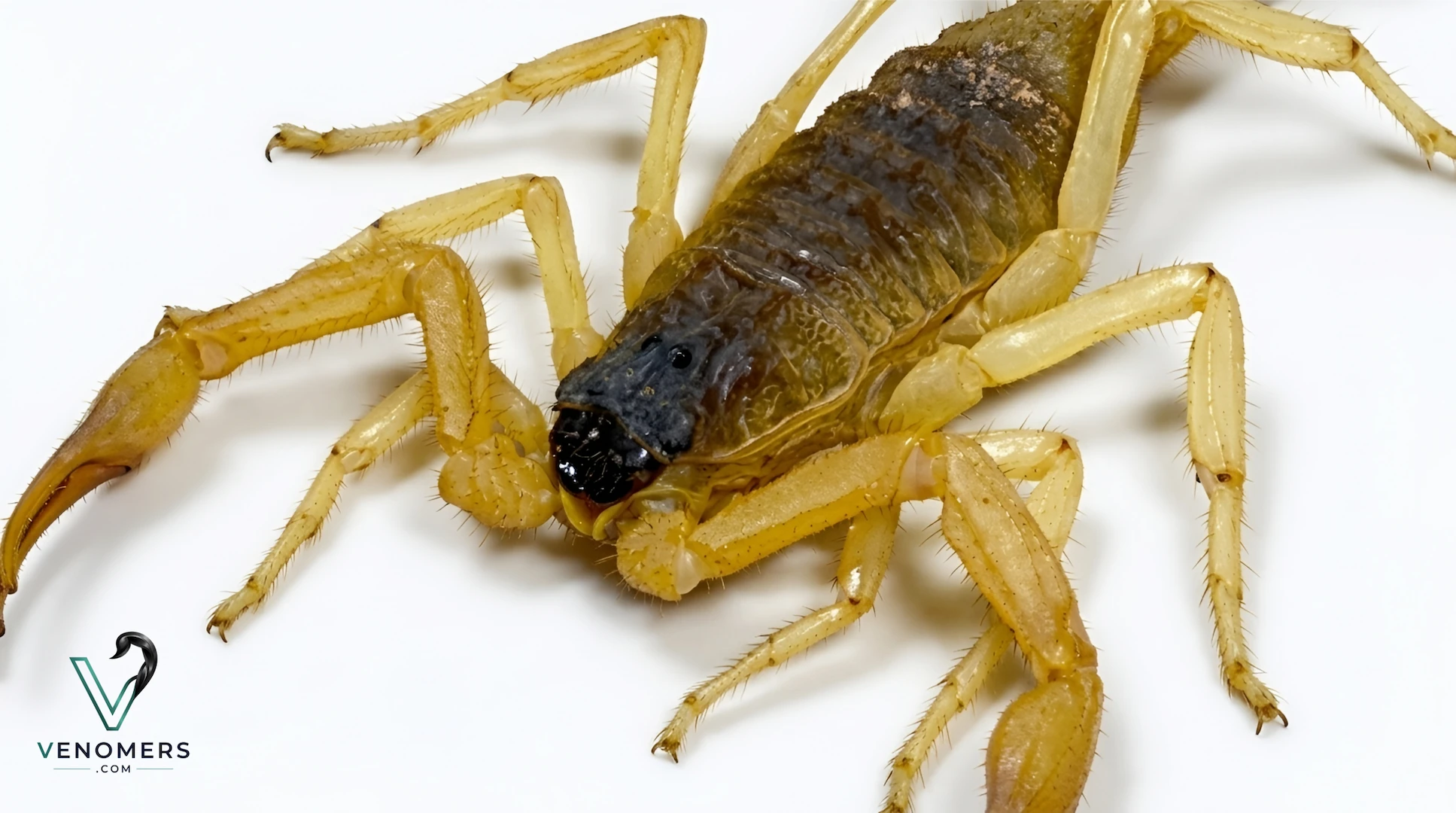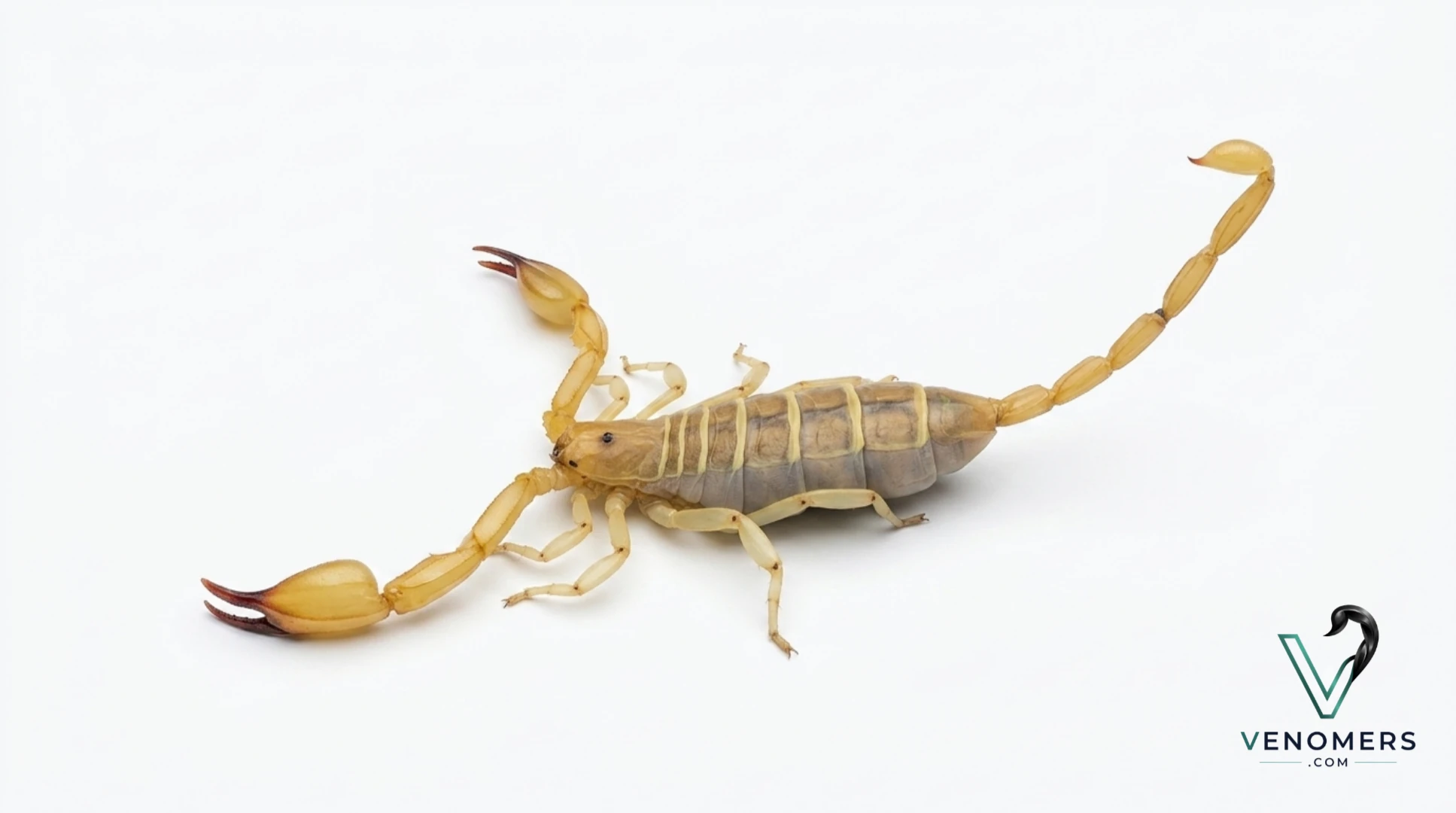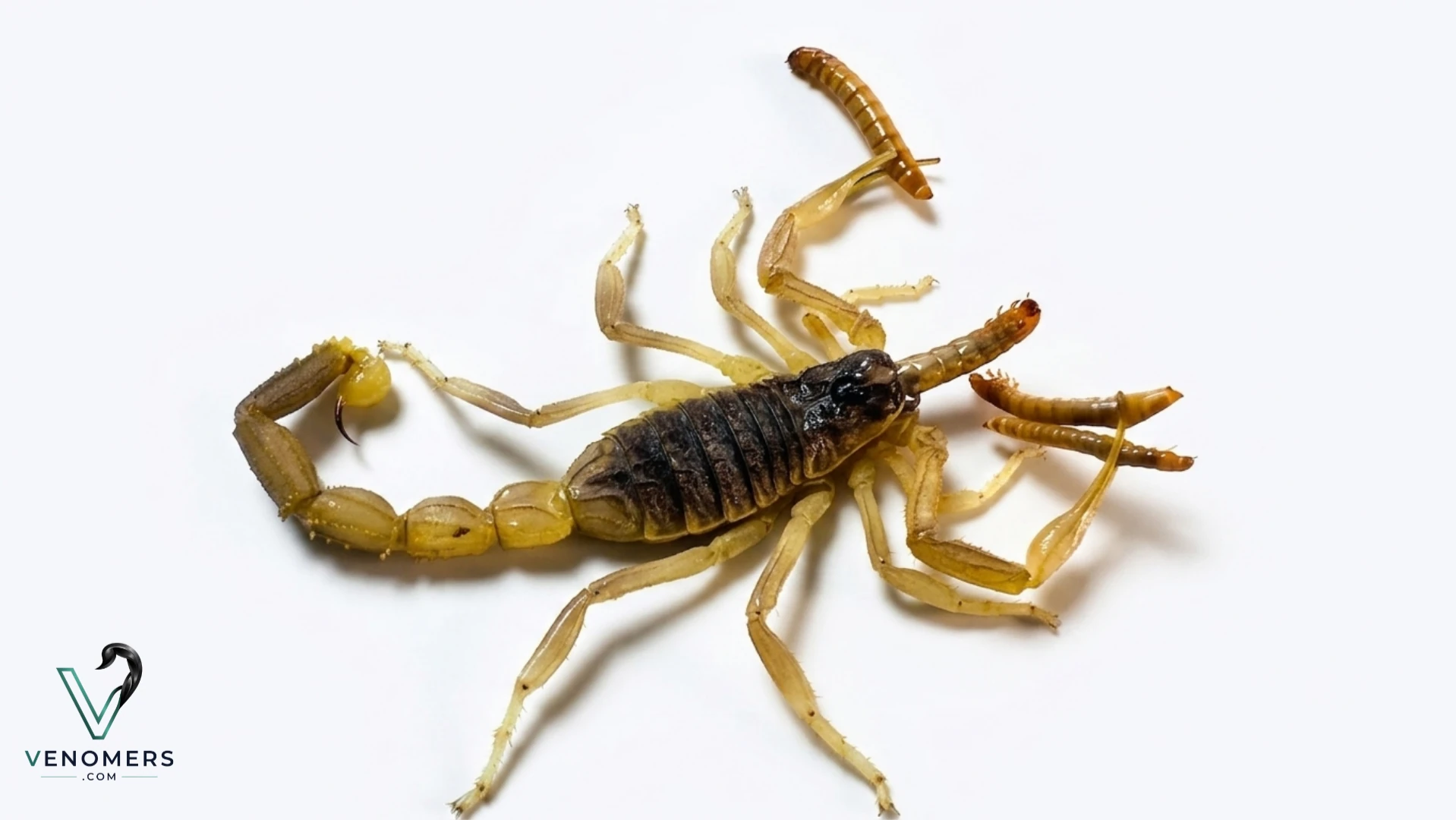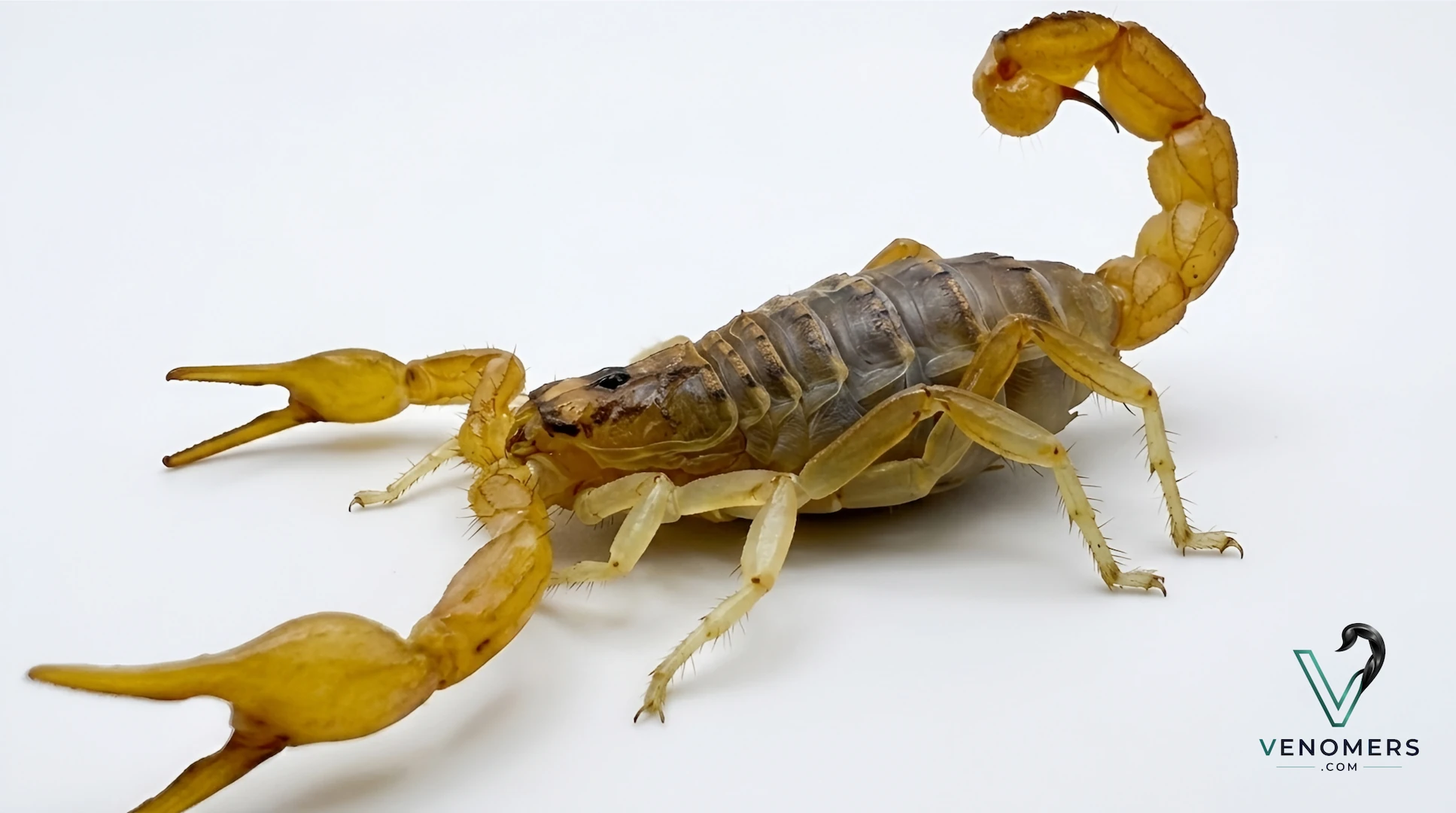
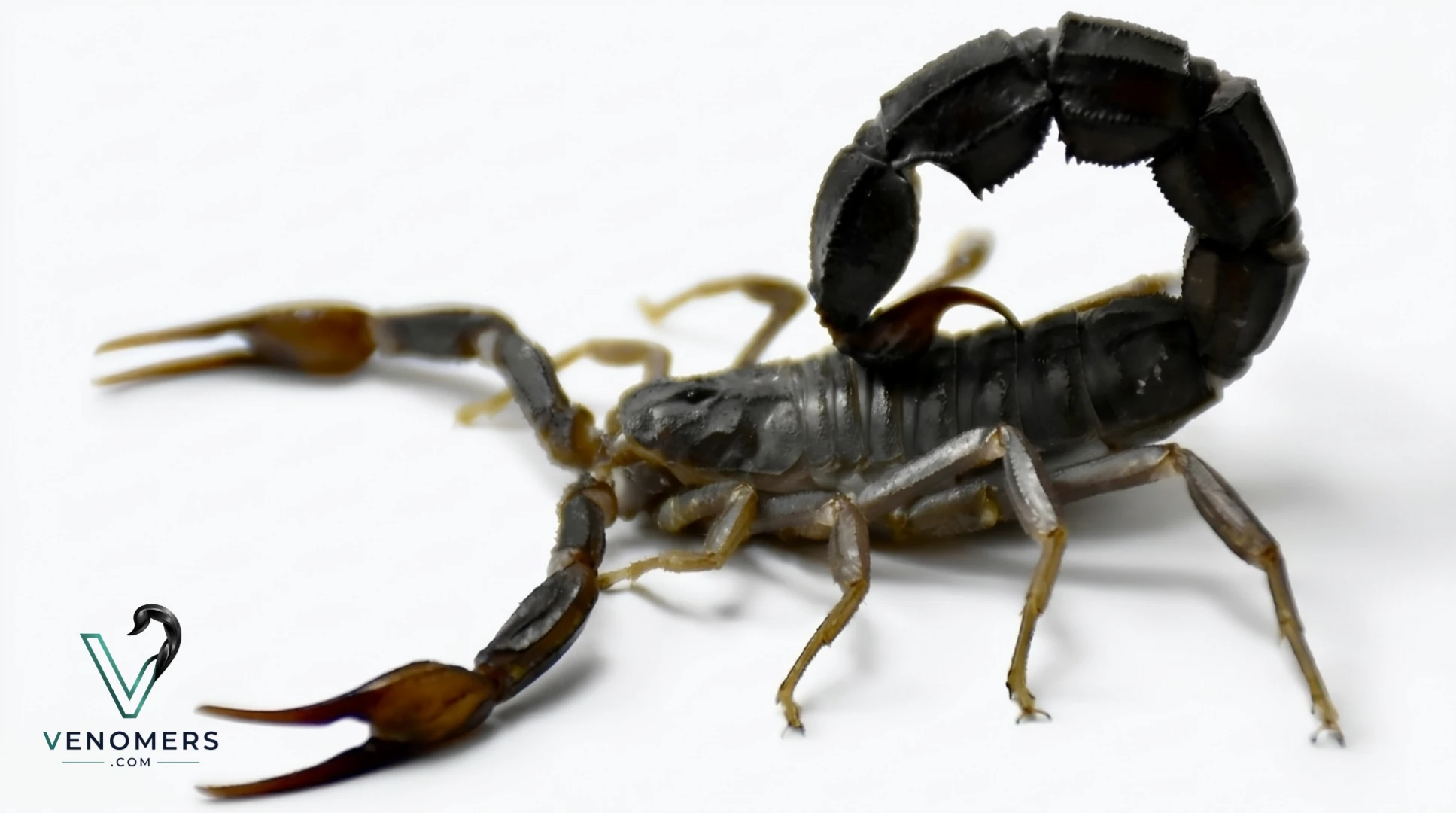
Androctonus crassicauda
Gallery
Biological & Ecological Profile
Geographic Distribution & Habitat Range
11 Provinces- Habitat Preference: Deserts and semi-arid regions with sandy, gravelly, and rocky substrates.
- Iranian Footprint: Broad national distribution spanning north to south across key provinces.
Anatomical & Taxonomic Breakdown
Morphology- Key Morphology: Thick metasomal segments with pronounced serrated ventral keels and large pedipalps.
- Distinguishing Features: Distinctive “thick-tailed” build with robust, heavy habitus.
Behavioral Ecology & Defense
EcologyStrictly nocturnal; hides by day inside rocky cracks and deep crevices.
Capable of climbing non-polished vertical surfaces (not smooth glass).
Invertebrates, small insects; occasionally small lizards or rodents.
Highly defensive when disturbed; utilizes terminal sting for prey and defense.
Venom Profile, Bio-Peptides & Quality Analytics
Key Peptides, Applications & Clinical Highlights
Key Peptides & Applications
- Rich repertoire of short- and long-chain neurotoxins modulating Na+/K+ channels.
- Potential leads for neuropharmacology and oncology; peptide scaffolds for targeted design.
Clinical Profile & Toxicity
- Severely painful sting with local erythema and swelling.
- Neurological symptoms may appear and affect cardiac function.
- Severe cases may involve internal bleeding, respiratory difficulty, and visual disturbances.
- Medically important in Iran (among the most dangerous after H. lepturus).
Research Highlights
Reported suppression of MCF-7 breast cancer cell growth: necrosis at higher doses; apoptosis and S-phase arrest at lower doses.
Details: Research Center
SDS-PAGE Densitometry & Molecular Weight Profile
SDS-PAGE Molecular Weight Densitometry Spectrum
15% Polyacrylamide GelSterile Extraction Protocol
Electrical telson stimulation using standard laboratory stimulators. Collected in sterile, inert glass vessels under laminar airflow.
Cold Chain & Storage Protocol (-80 °C)
Lyophilized & frozen at -80 °C in chemically inert glass/pure metal alloy containers equipped with automated emergency alarm systems.
Reverse-Phase HPLC Chromatogram & 71 Peak Repertoire
Knauer RP-HPLC Absorbance Spectrum (λ = 215 nm, Flow: 0.5 mL/min)
3 mg / 30 µL Reconstituted Sample| Peak # | Retention Time (RT) | Area | Height | Area % | Status |
|---|---|---|---|---|---|
| Peak 42 | 47.833 min | 29,634,951 | 650,560 | 15.299% | Dominant Peak |
| Peak 38 | 41.650 min | 21,523,582 | 223,380 | 11.112% | Major Fraction |
| Peak 39 | 43.767 min | 13,000,172 | 195,610 | 6.711% | Major Fraction |
| Peak 31 | 32.550 min | 9,891,171 | 108,976 | 5.106% | Major Fraction |
| Peak 43 | 49.233 min | 8,308,725 | 131,372 | 4.289% | Major Fraction |
| Peak 40 | 44.950 min | 5,925,674 | 113,425 | 3.059% | Major Fraction |